Understanding Pizza Delivery
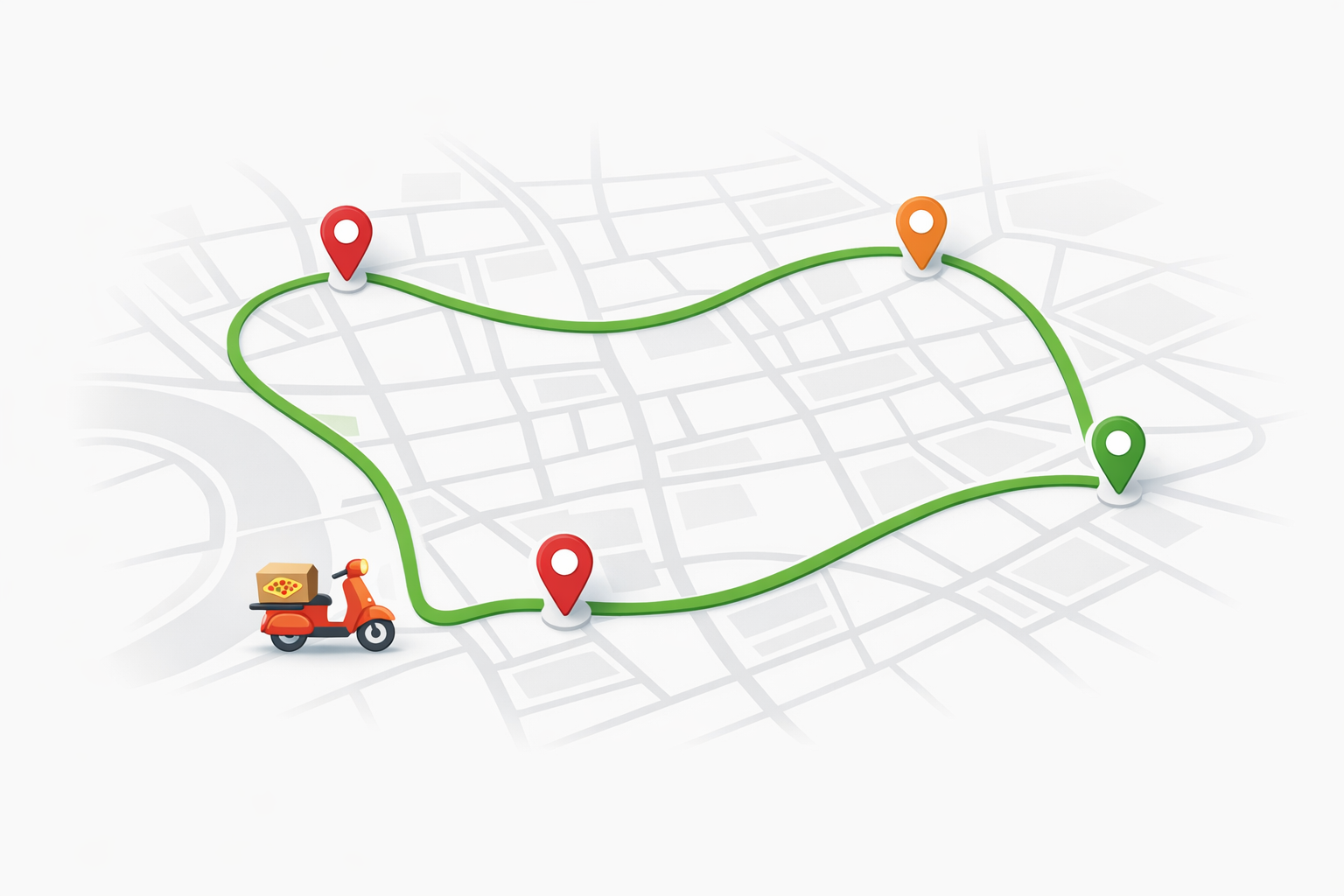
Pizza delivery represents a fascinating intersection of logistics, geography, and customer service. When you place an order for delivery, a complex process begins that involves careful route planning, real-time traffic considerations, and coordination between multiple team members. Understanding these processes can help you appreciate the effort that goes into ensuring your pizza arrives hot and on time.
The distance between a restaurant and a delivery destination is one of the most significant factors affecting delivery time. However, distance alone doesn't tell the complete story. The type of roads, traffic patterns, time of day, and weather conditions all play crucial roles in determining how quickly a driver can reach a destination.
What You'll Learn
Delivery Routes
Explore how delivery routes are planned and the different strategies used to navigate efficiently through city streets and neighborhoods.
Learn more →Distance Factors
Discover the various factors that influence travel distance and time, from road conditions to traffic patterns and weather.
Learn more →Route Optimization
Learn about the techniques and technologies used to optimize delivery routes for maximum efficiency and speed.
Learn more →Quick Facts About Pizza Delivery
Did You Know?
The average pizza delivery radius for most restaurants is between 3 to 6 miles. This range balances the need to reach customers while ensuring pizzas arrive at optimal temperature. Delivery areas are often determined by drive time rather than straight-line distance, typically aiming for a 15-20 minute maximum travel time.
Route planning has evolved significantly with the advent of GPS technology and real-time traffic data. Modern delivery operations use sophisticated algorithms that consider dozens of variables simultaneously, from current road conditions to historical traffic patterns, to determine the most efficient path for each delivery.
The concept of delivery zones emerged as restaurants recognized that longer distances not only increased fuel costs and delivery times but also affected food quality. Hot pizzas need to maintain temperatures above 140°F (60°C) for optimal taste and food safety, creating a natural constraint on delivery range.